
QR codes for events, from slow scans to the default credential
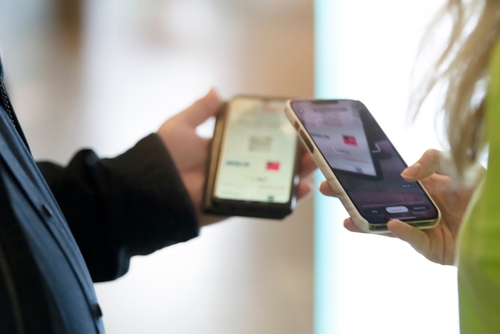
How far QR codes have come
Delekit first introduced QR code scanning in 2015. At the time it had real drawbacks. Scanning was slow, and codes were hard to read in poor light or at awkward angles, which put a lot of organisers off.
Modern smartphones changed that. High-resolution cameras and machine learning mean a QR code can now be read in a fraction of a second, in low light and at an angle. For most events, QR is now the simplest and cheapest credential there is.
Where QR codes work best
Check-in. Attendees arrive with a code on their phone or a printed confirmation. One scan and they are in.
Badge printing. Scan the QR code at a desk or kiosk and a personalised badge prints in seconds.
Access control. Codes can be validated against rules for sessions and restricted areas, with a clear yes or no for staff.
Data. Every scan is a data point. Over the day you build a picture of attendance and behaviour you can use to improve the next event.
Networking. Attendees can scan each other’s codes to swap details quickly.
When to choose something else
QR codes can be screenshotted and shared, and they need to be presented to a scanner. If pass sharing is a real risk, or you want hands-free tracking, consider NFC wristbands or RFID badges. Many events use QR for arrival and switch to a wristband at the desk.
Getting started
QR codes are the quickest way to modernise check-in. Book a demo to see how Delekit uses them alongside badges, wristbands and session scanning.